Corporate flower service for Purley and Sanderstead offices
Posted on 04/10/2026
If you manage an office in Purley or Sanderstead, you already know the small things shape the day more than people admit. A tidy reception, a calm meeting room, and fresh flowers that still look good by Thursday morning can quietly change the feel of the whole place. A Corporate flower service for Purley and Sanderstead offices is exactly that kind of detail: practical, polished, and surprisingly effective.
It is not just about making a desk look pretty, although let's be honest, that does help. It is about creating a better first impression for clients, supporting staff morale, and keeping your workplace feeling cared for without adding yet another job to someone's plate. In this guide, you will find how office flower services work, what to expect, where the real value sits, and how to choose arrangements that suit a professional setting rather than fighting with it.
Whether you are arranging flowers for a reception area, a boardroom, a shared workspace, or a client-facing suite, this article will help you make a sensible decision. No fluff. Just the things that matter, with a few local realities folded in.

Why Corporate flower service for Purley and Sanderstead offices Matters
Office flowers are one of those understated touches that people notice before they can quite explain why. A fresh arrangement in reception can make a business feel more organised, more welcoming, and more human. In a place like Purley or Sanderstead, where many offices serve local clients, nearby commuters, and small business partners, that first impression matters a lot.
There is also a practical side. Offices are busy places, and not every workplace has someone with time to trim stems, change water, remove fading blooms, and think about styling. A corporate flower service takes that off your list. You get a steady, professional finish without asking your team to moonlight as florists. Handy, really.
The bigger point is consistency. One good arrangement can look lovely for a day; a managed service keeps the whole environment looking considered week after week. That matters if your office hosts interviews, client meetings, training sessions, or internal events where the room needs to feel calm rather than a bit... tired.
Expert summary: A well-run office flower service is not decoration for decoration's sake. It is part of workplace presentation, visitor experience, and everyday morale. If done properly, it supports the business without demanding attention from it.
And yes, flowers can influence mood. You do not need a grand theory for that. A desk with soft colour, a reception area with structure and scent, and a boardroom that does not feel severe can change how people arrive and how they behave. Slightly softer edges. Better energy. Less "Monday morning with a bad printer".
How Corporate flower service for Purley and Sanderstead offices Works
Most corporate flower services follow a simple rhythm: consultation, styling, delivery, maintenance, and refresh. The details vary, but the principle is straightforward. You agree what the office needs, how often it needs changing, and what sort of look suits the space.
1. Consultation and brief
The first step is usually a short discussion about your office layout, brand style, budget, and how formal or relaxed you want the flowers to feel. A finance office may want crisp, low-profile arrangements. A creative studio might be happier with more texture and colour. Neither is right or wrong. The best fit depends on the room.
This is also where useful practical details are raised: how many display points there are, whether the reception desk is under natural light, if the meeting room gets warm, and whether you need flowers for a customer-facing counter or a private workspace.
2. Choosing the style
Once the brief is clear, the florist will typically recommend vase arrangements, desk flowers, pedestal pieces, or more compact displays for shared areas. In many offices, less is more. You want flowers that lift the room, not dominate it.
If you prefer a strong corporate look, white flowers, greens, and structured forms often work well. If you want a softer impression, mixed colours or seasonal stems can feel warmer. For offices that receive regular clients, it can make sense to vary the style through the year so the space feels fresh, not stuck in one visual note.
3. Delivery and setup
Delivery is usually scheduled to fit office hours, with arrangements placed where they are least disruptive. In practice, that means early morning or a pre-agreed window, so nobody is trying to carry a vase through reception during a busy call. Small thing. Big difference.
A proper setup should include clean containers, secure placement, and a quick check that arrangements suit the light, airflow, and surface space available. In a shared office, even the angle of a vase matters more than you think.
4. Ongoing refresh
Corporate flower services are often weekly or fortnightly, depending on budget and how much impact you want to maintain. Fresh stock means the office stays presentable without visible tiredness creeping in. There is nothing quite like a slightly drooping lily on Thursday afternoon to make a reception feel older than it is.
Some services also include condition checks, swapping containers, or adjusting the size of arrangements after observing how the space actually behaves. That sort of quiet refinement is often what separates a decent service from a genuinely good one.
Key Benefits and Practical Advantages
The obvious benefit is aesthetic. Flowers make an office look finished. But in business terms, the value goes much wider than that.
- Better client perception: A tidy floral display can make a business feel careful, established, and detail-oriented.
- Improved staff experience: People do notice when the workplace feels pleasant. Even small lifts in atmosphere can help.
- Less admin: Once the service is in place, nobody has to think about sourcing flowers or replacing wilted stems.
- Flexible presentation: You can adjust style, size, and frequency to suit meetings, seasonality, and budget.
- Local convenience: For offices in Purley and Sanderstead, a nearby service can be easier to coordinate and less stressful when timings are tight.
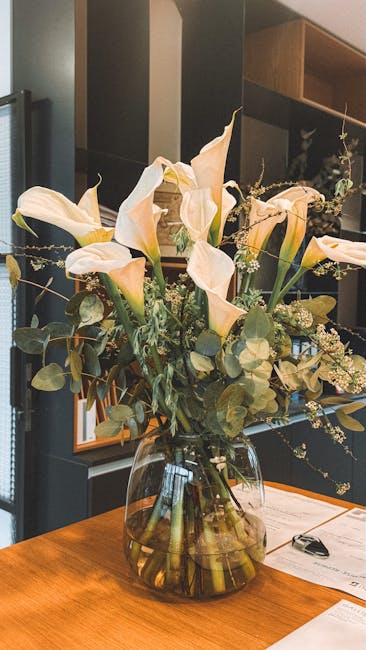
There is also a subtle brand benefit. Flower choice, vessel style, and placement can say a lot about the business. A modern glass vase with white blooms gives a different impression from a full mixed seasonal arrangement in a ceramic container. Neither is better by default. It depends on the image you want to project.
One thing people often miss: flowers can help with transitions. If your office gets a lot of visitors, the reception area can act as a buffer between the outside world and the work environment. Flowers soften that moment. People arrive, pause, look around, and the whole place feels a little more intentional. That is useful.
| Office need | Best flower approach | Why it works |
|---|---|---|
| Reception area | Medium, structured arrangement | Makes a polished first impression without clutter |
| Boardroom | Low, unobtrusive design | Looks smart while keeping the table practical |
| Client meeting room | Seasonal arrangement with clean lines | Feels welcoming and professional |
| Open-plan workspace | Compact, durable flowers | Adds colour without getting in the way |
| Executive office | Refined premium display | Creates a more personal, executive feel |
Who This Is For and When It Makes Sense
This kind of service makes sense for a broad range of workplaces, but it is especially useful if your office regularly hosts guests or depends on a polished image. That includes accountancy practices, law firms, design studios, property offices, healthcare administration teams, and any local company that wants the space to feel settled and well-run.
It is also a good fit for businesses that do not have a dedicated workplace manager, or where the office manager already has too much on their desk. Truth be told, that is most offices. Flowers are easy to love and hard to maintain if nobody owns the job.
It makes particular sense when:
- you welcome clients into reception every week
- you want boardrooms to feel more inviting
- you are refreshing office interiors after a refit
- you need reliable floral styling for events or presentations
- you want a small but visible upgrade to workplace presentation
- you value local delivery and predictable service
There are also seasonal moments when flowers are especially useful. Think of January, when offices can feel a bit flat; spring, when a brighter palette feels natural; or the run-up to year-end meetings and client hospitality. A thoughtful arrangement can quietly lift a room at exactly the right time.
Step-by-Step Guidance
If you are setting this up for the first time, a simple process keeps things tidy. No need to overcomplicate it.
- Map the spaces. List the rooms or points where flowers would actually be seen and appreciated. Reception first, usually. Then meeting rooms, communal desks, or private offices.
- Define the style. Decide whether you want premium, neutral, seasonal, minimal, or colourful. It helps to think in terms of brand feel rather than personal taste alone.
- Set the frequency. Weekly, fortnightly, or occasional delivery all have their place. High-traffic spaces usually need more regular refreshes.
- Agree practical constraints. Note allergies, space limits, surface width, access times, and any building restrictions. A grand arrangement is useless if it blocks the post room.
- Choose the service level. Some offices need full installation and maintenance, while others just need delivery in a vase that can be placed quickly by reception staff.
- Review after the first cycle. Ask what worked, what wilted too quickly, and whether the size or palette needs adjusting. The first delivery is a starting point, not a final verdict.
A useful rule of thumb: begin with something slightly smaller than your instinct suggests. You can always scale up once you have seen how the arrangement sits in the room. Large flowers in a small reception can feel shouty. Not ideal.
Expert Tips for Better Results
In our experience, the best office flower displays are the ones that feel as though they belong naturally to the space. They do not scream for attention. They just work.
Match flowers to the room's light and temperature
A bright south-facing reception and a cooler internal meeting room will not behave the same way. Flowers near heating vents or hot glazing usually need different treatment from arrangements sitting quietly in a shaded lobby. If the room gets warm in the afternoon, say so early.
Keep colour choices consistent with the brand
If your business uses muted branding, a very bright mix may clash. If your office is lively and creative, a monochrome arrangement might feel too stiff. There is no rule saying corporate means dull. It just means intentional.
Think in layers, not just one vase
One larger reception display can be enough for a smaller office. But in medium or larger workplaces, a combination of one focal arrangement and a couple of smaller supporting pieces often feels more balanced.
Use flowers that last well indoors
Longer-lasting varieties often make better commercial sense because they stay looking presentable for longer. A florist can advise on the stems that suit your schedule and the office conditions. That advice is worth listening to.
Ask for a seasonal plan
A recurring service does not need to look identical every week. A good supplier can shift style through the year, so the office stays current without becoming fussy. That seasonal rhythm is subtle, but it keeps the space alive.
One slightly old-fashioned truth: the best floral setups are rarely the loudest. They are the ones people stop noticing because they feel so right.
Common Mistakes to Avoid
There are a few easy errors that can make office flowers look less polished than intended. None of them are dramatic, but they do add up.
- Choosing arrangements that are too large: Oversized flowers can crowd desks, block sightlines, and make a professional room feel awkward.
- Ignoring maintenance: Flowers that are not refreshed on time quickly look tired, which undoes the whole effect.
- Matching the office to the florist's taste instead of yours: A beautiful arrangement is only useful if it suits your brand and space.
- Forgetting practical issues: Allergies, access times, floor traffic, and vase stability matter more than people assume.
- Using one style everywhere: Reception and meeting rooms often need different treatments.
- Leaving it too vague: If nobody has signed off on colour, frequency, and placement, the result can drift.
Another common slip is treating corporate flowers like event flowers. They are related, but not the same. A wedding-style display can be gorgeous and still wrong for an office. Offices need longevity, balance, and ease. A bit less drama, basically.
Tools, Resources and Recommendations
You do not need a complicated system to manage office flowers, but a few practical tools make the process smoother.
- A simple office calendar: Useful for tracking delivery dates, refresh cycles, and key events.
- A room photo reference: Photos of reception, meeting rooms, and desks help the florist plan scale and placement.
- Brand colours or mood notes: Even a short note such as "warm neutrals, modern, clean" helps a lot.
- Building access details: Useful for delivery windows, reception procedures, and any security checks.
- A maintenance contact: One named person avoids confusion when arrangements need adjusting.
For product choices, many offices benefit from simple, durable designs rather than something overly intricate. Fresh, balanced arrangements from a reliable local florist can be more effective than something extravagant that collapses after two days. If you want a broader look at delivery options, you may also find the site's flower delivery in Purley page useful, especially if the office wants coordinated workplace and client gifting.
If you are comparing styles, it can help to look at a range of stems and formats rather than locking in one idea too early. The site's florist choice option is a sensible starting point for offices that want a professional look without getting too prescriptive.
And if your workplace occasionally needs flowers for staff milestones or client recognition, a wider corporate gifting approach can be handy too. It keeps things consistent and saves time when those moments pop up, as they always do.
Law, Compliance, Standards, or Best Practice
For most offices, flowers are not a regulated service in the way food, medicine, or construction work can be. Still, there are sensible best practices that help keep things smooth and professional.
First, consider workplace health and safety. Arrangements should not obstruct exits, walkways, or shared work areas. Vases need to be stable, especially in busy reception spaces where people are coming and going. Spills should be cleaned promptly, because a wet floor in a working office is nobody's idea of elegant.
Second, think about allergies and sensitivities. Some offices are fine with strongly scented flowers; others are not. It is worth choosing lower-scent options where staff or visitors may be affected. This is less about formal compliance and more about being considerate, which in a business setting matters just as much.
Third, be clear about payments, cancellations, substitutions, and service expectations. A corporate arrangement service should have straightforward terms so both sides know what happens if a delivery date shifts, if a product is unavailable, or if a replacement is needed. You can review the site's terms and conditions, delivery information, and returns and refund policy for the general service framework.
If your company handles procurement carefully, it may also be useful to read the guarantees page and the corporate accounts information. That can help when you want a recurring office setup rather than a one-off order.
Options, Methods, or Comparison Table
Different offices need different solutions, and it helps to compare them plainly. The right choice is usually the one that fits your building, your budget, and how much time you want to spend thinking about flowers after the initial order. Ideally, not much.
| Option | Best for | Pros | Trade-offs |
|---|---|---|---|
| Weekly fresh service | Busy client-facing offices | Consistently polished, high impact | Higher ongoing cost than one-off orders |
| Fortnightly service | Smaller offices or lighter traffic | Good balance of freshness and value | May not suit very warm or busy spaces |
| Occasional delivery | Events, launches, and special visits | Flexible and budget-conscious | Less consistent presentation |
| Desk-level mini arrangements | Open-plan workspaces | Low disruption, easy to place | Less visual impact in larger receptions |
| Statement reception piece | Premium offices and visitor areas | Strong first impression | Needs more planning and space |
A useful way to think about it is this: if your office sees people every day, invest in consistency. If the flowers are for a one-off event or occasional client hosting, flexibility matters more. Both are valid. The mistake is trying to make one model do everything.
Case Study or Real-World Example
Here is a realistic example. A small professional office near Purley Oaks had a reception desk that felt functional but a bit flat. Visitors were being welcomed politely, of course, but the space itself was not doing much to support that welcome. There was good lighting, decent furniture, and a lot of hard surfaces. Very neat. Very forgettable.
The office started with a modest weekly floral service: one reception arrangement, one smaller meeting-room display, and a preference for clean whites and soft greens. Nothing dramatic. The team wanted the space to feel calm rather than decorative. After the first couple of weeks, they adjusted the vase height because the reception desk was slightly lower than expected. A small change, but it made the whole thing sit better in the room.
What changed? Staff said visitors seemed to pause and smile more often at the front desk. The office manager liked not having to handle the flowers personally, and the meeting room felt more settled during client conversations. No miracle, no grand transformation. Just a steady improvement that made sense for the way the office worked.
That is the point really. A corporate flower service does not need to be dramatic to be effective. It just needs to fit the room and keep fitting it.
Practical Checklist
Before you place or renew an office flower service, run through this checklist. It saves time later.
- Have you identified the exact areas that need flowers?
- Do you know whether the style should be formal, modern, seasonal, or soft?
- Have you set a refresh frequency that matches office traffic?
- Are there any allergy or scent concerns to consider?
- Is there enough surface space for the chosen vase or arrangement?
- Have delivery times been aligned with office access and reception hours?
- Do you know who will sign off on changes if needed?
- Have you reviewed payment, cancellation, and substitution terms?
- Does the arrangement support the office brand rather than fighting it?
- Have you checked whether flowers should vary between reception, meeting rooms, and private offices?
If you can answer yes to most of those, you are already ahead of the curve. It sounds simple because, honestly, it is. The trick is doing the simple things well.
Conclusion
A thoughtful Corporate flower service for Purley and Sanderstead offices is one of those upgrades that quietly pulls everything together. It helps a workplace feel more welcoming, more polished, and more attentive without creating extra admin for your team. That is a decent trade, any day of the week.
The best results come from clarity: know the room, know the purpose, and choose flowers that suit the people who will actually see them. Keep the service practical, keep it consistent, and do not be afraid to make small adjustments after the first delivery. That is how a good office setup becomes a really good one.
If you are weighing up styles, service frequency, or how to make floral displays work in a professional setting, start with the spaces themselves. The room will usually tell you what it needs. You just have to listen a bit.
Get a free quote today and see how much you can save.
Frequently Asked Questions
What is a corporate flower service for offices?
It is a recurring or one-off floral service designed for workplace environments such as receptions, meeting rooms, and client areas. The aim is to keep the office looking professional, welcoming, and well maintained without placing the job on office staff.
How often should office flowers be changed?
Most offices choose weekly or fortnightly refreshes, depending on footfall, room temperature, and the look they want to maintain. Busy client-facing spaces often need more regular changes than quieter internal offices.
Are flowers suitable for boardrooms and meeting rooms?
Yes, provided the arrangements are low enough not to block sightlines or get in the way of work. Compact, neat designs usually work best in meeting rooms because they add atmosphere without making the table feel crowded.
Can corporate flowers be matched to brand colours?
Absolutely. Many businesses prefer arrangements that echo their brand palette or interior design. Soft neutrals, whites, greens, and seasonal accents are common, but the best choice depends on the office's style and the impression you want to create.
What if staff or visitors have allergies?
That is worth flagging early. A good florist can suggest lower-scent flowers or less pollen-heavy options where needed. It is sensible to consider allergies and sensitivities as part of office planning, especially in shared spaces.
Is a corporate flower service expensive?
Costs vary depending on arrangement size, frequency, flower choice, and whether the service includes installation or maintenance. A smaller, well-chosen arrangement can still make a strong impression, so it does not have to be extravagant to be effective.
Do office flowers need special maintenance?
They do need regular care, which is one reason many companies prefer a managed service. Fresh water, stem trimming, and timely replacement all help flowers stay presentable. That is easiest when the florist handles it as part of the schedule.
What types of flowers work best in offices?
Longer-lasting, well-structured flowers usually perform best in workplaces. The right choice depends on light, temperature, and how formal the office feels. A florist can recommend stems that hold up well indoors and still look elegant.
Can flowers be delivered outside normal office hours?
Sometimes, yes, depending on access arrangements and the service setup. Many offices prefer early delivery windows so the flowers are in place before staff and visitors arrive. It is best to confirm this in advance rather than assume.
What should I ask before ordering office flowers?
Ask about frequency, style options, vase choice, substitution policy, delivery timing, and how changes are handled if your office needs evolve. A good service should make the process feel straightforward, not fiddly.
Are corporate flower services only for large businesses?
No. Small offices, local practices, and boutique workplaces often benefit just as much, sometimes more. If the space hosts clients or represents the business in any way, flowers can make a real difference.
How do I know if the arrangement is too big or too small?
The best clue is the room itself. If flowers block movement, look heavy on the desk, or dominate the reception area, they are probably too large. If they disappear into the background and do little for the room, they may be too small. A good florist should help you get that balance right.
Can corporate flowers be used for special occasions too?
Yes. Offices often use flowers for anniversaries, client wins, staff milestones, or seasonal events. A regular service can usually be adapted for those moments without changing the whole setup.
Where can I find more details about ordering and service options?
You can review the site's pages for corporate accounts, contact us, and about us if you want to understand how the service is structured and what to expect next.
A well-chosen office flower service does a quiet job, but it does it properly. And that, in a busy workplace, is often exactly what you want.